Simple Rituals to Switch Off After Work
Many people find that work thoughts continue after they close their laptop. Published research on cognitive closure suggests unfinished tasks can stay mentally active into the evening. This site describes four everyday routines — closing loops, changing clothes, cleansing, and gentle movement — that may help you mark a clearer boundary between work time and personal time.
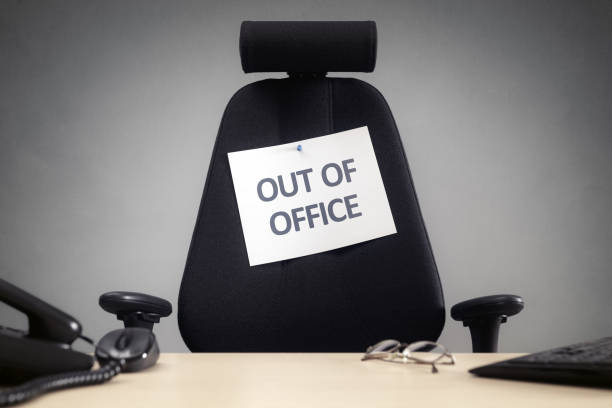
Why Your Brain Stays in Work Mode
Many people assume work tension fades once they leave the office. In practice, open tasks, replayed conversations, and unresolved to-do items can linger into the evening. A 2019 study in the Journal of Occupational Health Psychology reported that employees without a deliberate transition habit tended to experience more evening rumination than those who used structured wind-down routines — though individual experiences differ.
This is not about willpower alone. Without a clear boundary marker, the workday can feel like it never ended. Simple rituals may help because they are predictable, sensory, and repeatable. They rely on consistency more than motivation. Over two to three weeks of repetition, many people find their evening routine starts to feel more familiar and easier to settle into.
Learn About Closure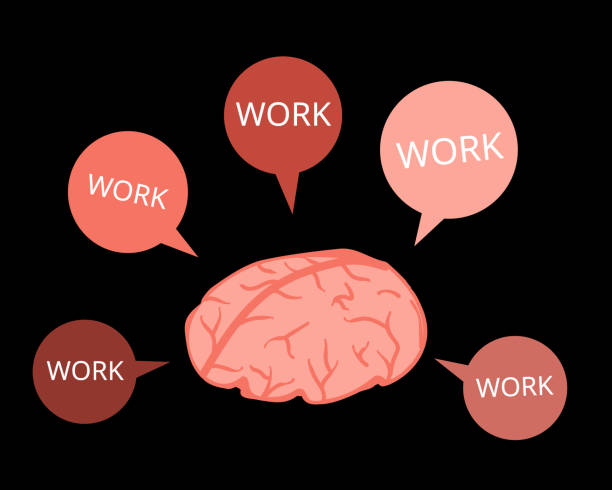
Closing the Loop: The Zeigarnik Effect
In 1927, psychologist Bluma Zeigarnik observed that waiters remembered unpaid orders far better than completed ones. Unfinished tasks create cognitive tension that the brain maintains until closure is achieved. Modern neuroimaging confirms this: the default mode network stays active when loops remain open, which explains why you mentally rehearse tomorrow's presentation while cooking dinner.
A simple closure routine — writing tomorrow's top three priorities, sending a brief status note, or stating "work is done for today" — can act as a practical bookmark for the next day. In a University of Mannheim study, some knowledge workers who spent five minutes on end-of-day planning reported fewer intrusive work thoughts; results varied by person and are not guaranteed. The goal is not to finish every task, but to capture what matters for tomorrow.

Changing Your Uniform Changes Your Role
Clothing is not merely fabric — it is a social signal. Enclothed cognition research from Northwestern University showed that participants wearing a lab coat demonstrated increased sustained attention compared to those who merely saw one nearby. What you wear primes behavioral expectations in yourself and in others. Work clothes carry associations with deadlines, hierarchy, and performance. Keeping them on after hours blurs the boundary between professional and personal identity.
Changing into dedicated home clothes — soft fabrics, relaxed fit, distinct from anything worn on video calls — is one of the simplest role transitions available. You do not need a full wardrobe overhaul. A specific hoodie, pair of joggers, or slippers reserved for off-duty hours is enough. The key is consistency: the same garment, the same time, the same sequence. Over time, many people describe feeling more mentally "off duty" once they change.
Explore Clothing Psychology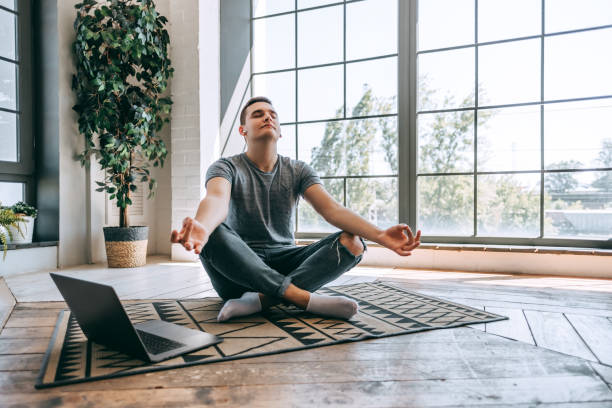
The Cleansing Ritual: Washing the Day Away
Water has carried symbolic meaning across cultures for centuries. In everyday life, a shower or face wash can serve as a simple transition ritual — a moment to shift attention from work to home. The sensation of temperature change, the sound of running water, and the shift from dry to wet can draw your focus toward physical sensation and away from looping thoughts.
A focused three-minute face wash with deliberate breathing can work similarly to a full shower when time is limited. The routine is most useful when done mindfully: notice one work-related thought, let it go, and redirect attention to the feeling of water on your skin. Academic research on embodied cognition has explored how cleansing rituals may shift attention; we share these ideas for educational purposes only, not as emotional or psychological treatment.
Discover Cleansing Practices
Five Minutes of Gentle Movement After Work
After a demanding day, many desk workers notice tight shoulders, a clenched jaw, or shallow breathing. A short burst of gentle movement may help release physical tension that built up while sitting. You are not training for athletic performance here — you are adding a simple physical close to your workday.
Five minutes is a practical starting point. Neck rolls, shoulder shrugs, cat-cow stretches, standing forward folds, and gentle marching in place focus on common areas of desk-related stiffness. Pair each movement with slow exhalations — roughly six seconds out, four seconds in. Published guidance from organizations such as the American College of Sports Medicine notes that brief, regular stretching may support how relaxed people feel in the evening; individual responses vary.
View Exercise Guide
Safe Practice for Your Evening Rituals
These rituals are designed for healthy adults seeking better work-life boundaries. Follow these guidelines to practice safely and realistically.
- Start gradually. Introduce one ritual at a time over the first week. Adding all four at once often leads to abandonment rather than lasting change.
- Respect physical limits. If you have joint pain, injuries, or mobility concerns, modify stretches and avoid bouncing movements. Comfort matters more than range of motion.
- Stay hydrated. Evening movement and warm showers both increase fluid needs slightly. Keep water nearby during your wind-down routine.
- Know when to seek support. Ongoing sleep difficulties, persistent worry, or feeling unable to unwind for several weeks may be reasons to speak with a qualified healthcare or mental health professional. This site does not replace professional care.

Events Calendar
Join our upcoming workshops and community sessions focused on building sustainable after-work routines. All events are held in Turku, Finland, with virtual attendance options for U.S. participants.
| Date | Event | Format |
|---|---|---|
| June 14, 2026 | Closing the Loop Workshop | In-person / Online |
| July 9, 2026 | Evening Movement Lab | In-person |
| August 22, 2026 | Home Transition Rituals Masterclass | Online |
| September 5, 2026 | Community Wind-Down Session | In-person / Online |
| October 18, 2026 | Seasonal Routine Reset Retreat | In-person |
Most community sessions are free of charge. Any paid masterclass includes a disclosed fee before you confirm registration. Registration opens four weeks before each event. Contact us to reserve your place or request the virtual link.

About This Website
Transparency about who we are and how we create content.
Who We Are
Lovelyboost.ddd is an educational lifestyle resource based at Aurakatu 22, Turku, Finland. We publish practical guides on everyday after-work routines for adults. We are not a clinic, hospital, therapy practice, or licensed healthcare provider.
How We Write
Our articles summarize publicly available psychology and lifestyle research in plain language. We describe routines you can try at home, explain where ideas come from, and avoid promises about specific outcomes. Content is reviewed for clarity and updated when practices change.
What We Do Not Offer
We do not diagnose conditions, prescribe treatments, sell supplements, or provide individualized medical or psychological advice. Workshops listed on this site are educational community sessions, not clinical interventions. For personal health concerns, contact a qualified professional in your country.
Questions about our content or business details? Visit our Contacts page, read our Legal Notice, Privacy Policy, and Terms of Use.
Frequently Asked Questions
Practical answers to common questions about building an after-work ritual practice.
No. This site provides general lifestyle and educational information only. It is not a substitute for advice from a doctor, psychologist, or other qualified professional. If you have health concerns, please seek appropriate professional guidance in Finland or your country of residence.
Some readers report a subtle shift within 10 to 14 days of consistent practice, but there is no standard timeline and no guaranteed outcome. The key variable is repetition, not perfection. Missing a day does not erase prior effort — simply resume the next evening.
Yes. The recommended sequence — close, change, cleanse, move — follows a logical cognitive-to-physical arc, but your living situation may require flexibility. Apartment dwellers might cleanse before changing, for example. Consistency within your chosen order matters more than the exact sequence.
Remote workers often benefit most from these rituals because the physical boundary between work and home is absent. Create an artificial boundary: close the laptop, leave the desk, walk around the block, then begin your ritual sequence as if arriving home.
Absolutely. The principles apply whenever your "workday" ends, regardless of clock time. Anchor rituals to the moment you finish work, not to a specific hour. Closing the loop becomes especially valuable when your schedule varies weekly.